(1828 – 1905)
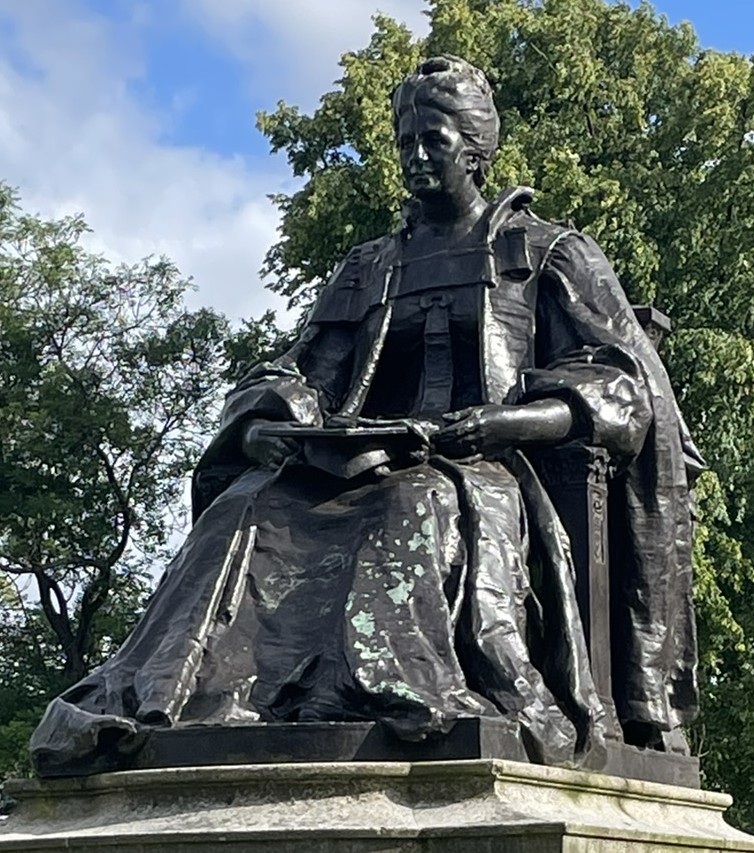
Born in the Gorbals district of Glasgow, Isabella married John Elder in 1857. Upon his death in 1869 she inherited his thriving shipyard, Randolph, Elder & Co, regarded at the time as one of the world’s leading shipbuilding companies. Isabella became the sole owner and ran it successfully for the next nine months until it was transferred to a partnership led by her brother.
Isabella put her wealth to good use, becoming a major philanthropist in Glasgow with a particular interest in education, especially of women, and in the welfare of the people of Govan where her husband’s shipyard was located. She donated to the University of Glasgow and the Technical College (now Strathclyde University. She was particularly passionate about higher education for women and gifted Queen Margaret College a large sum for this purpose, later meeting the cost for the inclusion of female medical students at the school. She also bequeathed North Park House to the College on the provision that teaching provided to women was equal to that of men, leading to the first women in medicine graduating in 1894.
In Govan alone, Isabella was responsible for creating Elder Park (opened in 1885) and the Elder Park Library, with the insistence that it should be open on Sunday so that ordinary working people could access it. She also funded a School for Domestic Economy, a Cottage Hospital (which trained women in nursing and midwifery) and the Cottage Nurses Training Home.
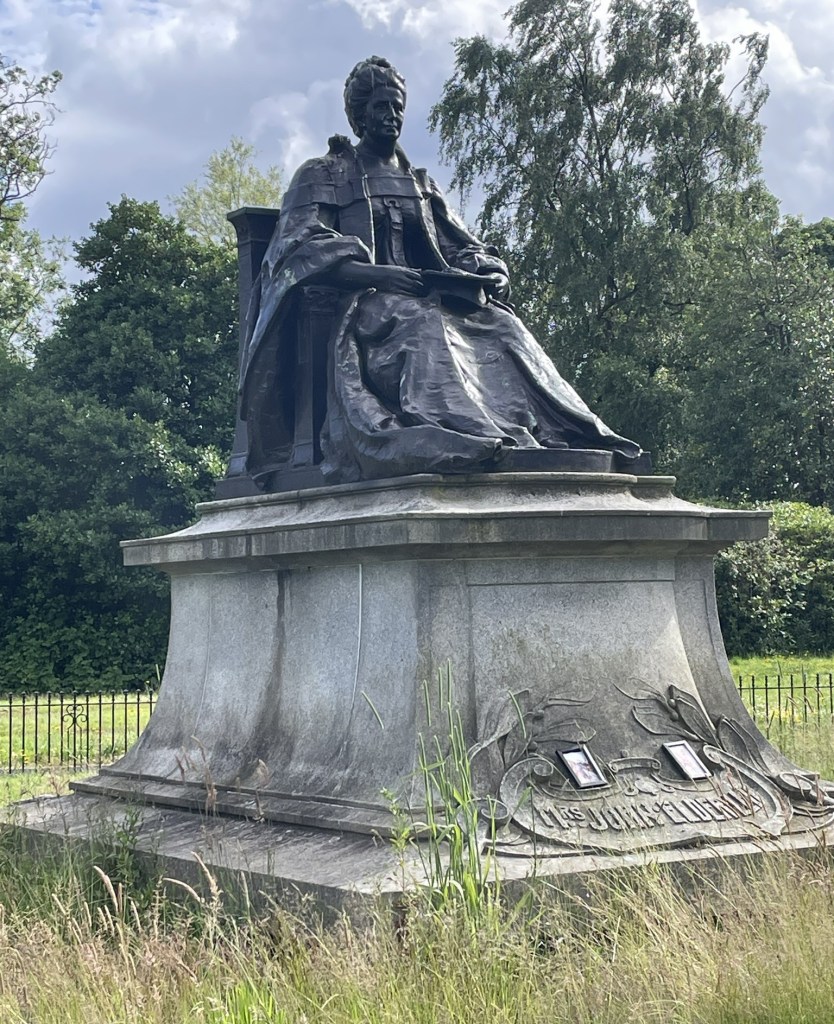
Isabella died at home in 1905. The physician that facilitated her death certificate was Dr Marion Gilchrist – the first woman to graduate from the University of Glasgow and the first woman in Scotland to graduate in medicine.
Giving to the last, her will left more than £125,000 for charitable purposes including the Ure Elder Fund for Indigent Widows of Govan and Glasgow.
The statue was unveiled in Elder Park in 1906 making it the first non-royal statue of a woman in the city. The £2,000 cost was raised by public subscription, much of it from the ordinary people of Govan. She is depicted wearing the academic robes of the University of Glasgow which had awarded her an honorary degree in 1901.
 WomenstatuesUK