Sophia Constable

(1862 – 1932)

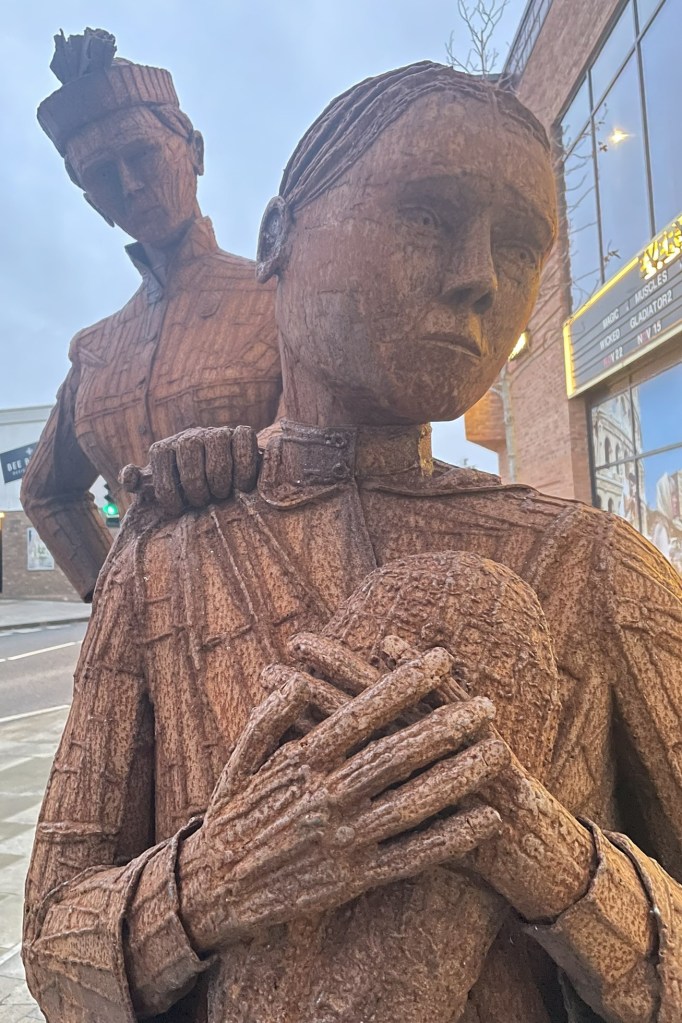
We would probably not be aware of the year Sophie was born if it wasn’t for the fact she was an eleven-year-old girl when she was sent to Northallerton Prison in 1873, making her the youngest female ever to be incarcerated in the prison.  Sentenced to three weeks hard labour for stealing a loaf of bed from a shop in Whitby, her defence of only stealing the threepenny loaf of bread because she was hungry just didn’t cut it.  Following her sentence Sophie the next four years at a reformatory school.

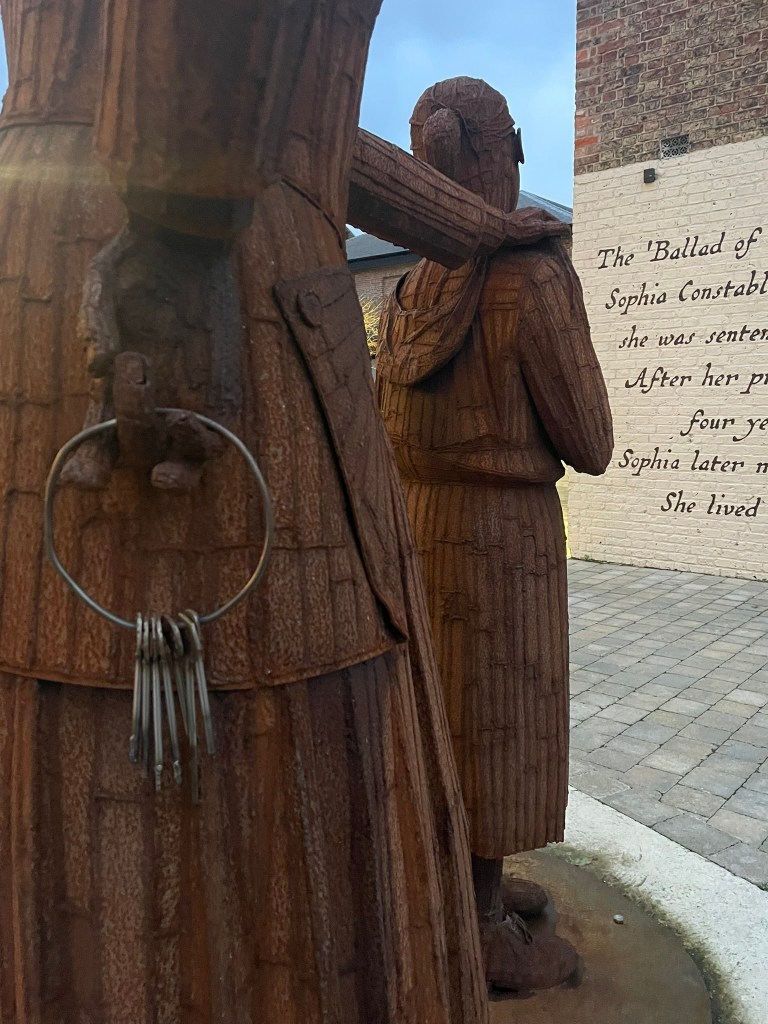
Entitled The Ballad of Sophie Constable, it was unveiled 150 years after her sentence, and has these words at its base:

A life without choice, a future restricted
but all the same found guilty – convicted.
Guilty of stealing by ‘devious deception’
and the law to be followed without exception.
Sophia and her mild transgression,
Sophia Constable, aged eleven
.

It wasn’t all bad – the wall Sophia faces states that she went on to work as a nurse, marry, have children and lived her life to the age of 70.

Northallerton Prison closed in 2013, and Sophie’s statue now stands close to where the women’s wing of the prison was situated.
Emily Wilding Davison

(1872 – 1913)

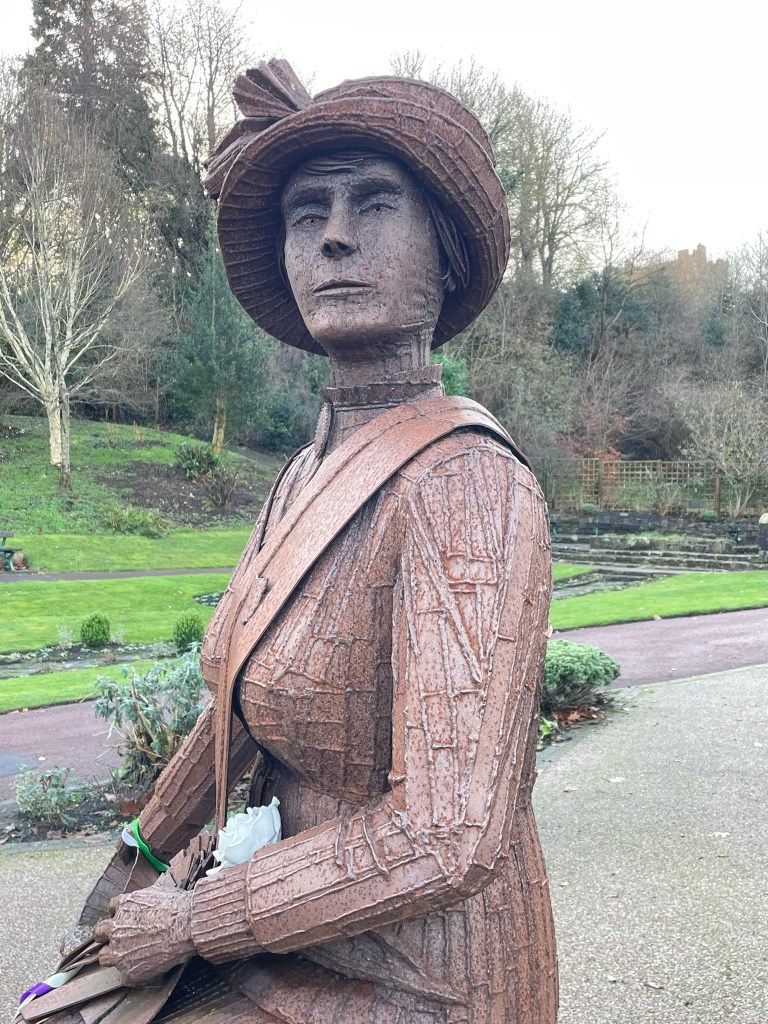
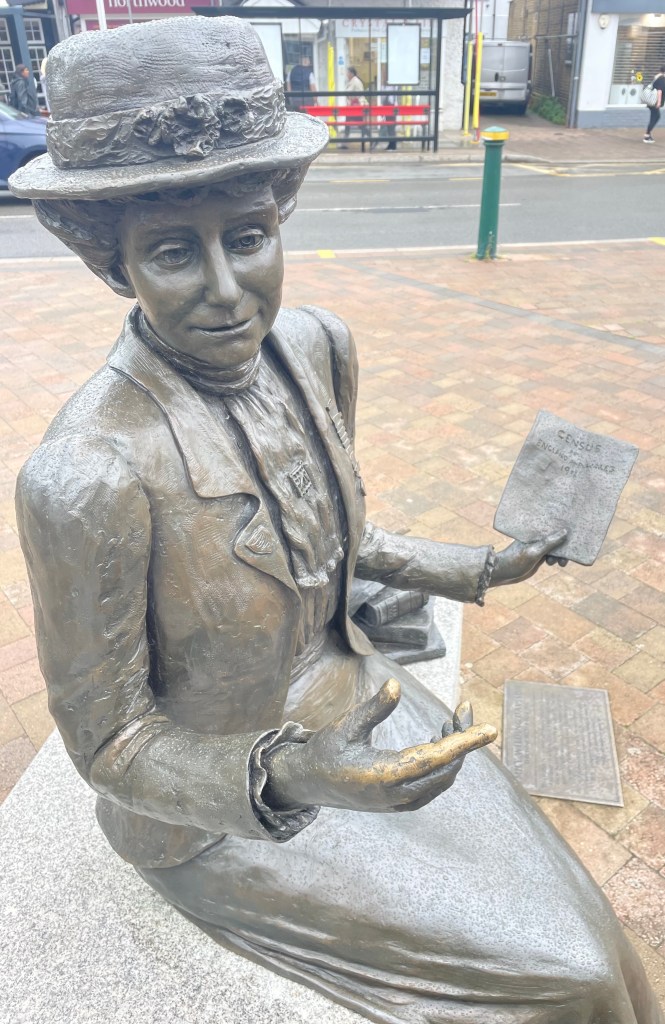
Emily Wilding Davison was a suffragette whose efforts for women’s right to vote made her one of the most prominent figures in the movement.  Joining the Women’s Social and Political Union (WSPU) in 1906 she became an officer and a chief steward during marches.  Three years later she gave up her job as a teacher and went to work full-time for the suffragette cause.  In this time, she was arrested nine times, went on hunger strike seven times and was force-fed on forty-nine occasions.  An ardent campaigner, her tactics included breaking windows, throwing stones, setting fire to post-boxes, planting bombs and hiding overnight in the Houses of Parliament – including on the night of the 1911 Census, making her address, ‘The House of Commons’ therefore affording the same voting rights as men.  She died after being hit by King George V’s horse at the 1913 Derby when she walked onto the track during the race.  Mystery still surrounds the circumstances.  She gave no prior explanation for what she planned to do at the Derby with historians noting she had bought a return train ticket.  Theories include the suggestion she was attempting to pin a suffragette flag to the king’s horse.

The statue in Epsom sets out the dates for emancipation:

1918 – property owning women over the age of 30
1928 – all women over the age of 21
1968 – all women over the age of 18

Both statues have her seated (and Ray Lonsdale’s depiction is a favourite of mine) but given her history it is hard to imagine her being that sedentary.  Still, the detail in both depictions are worthy of a visit.