(1879-1964)
Plymouth Hoe
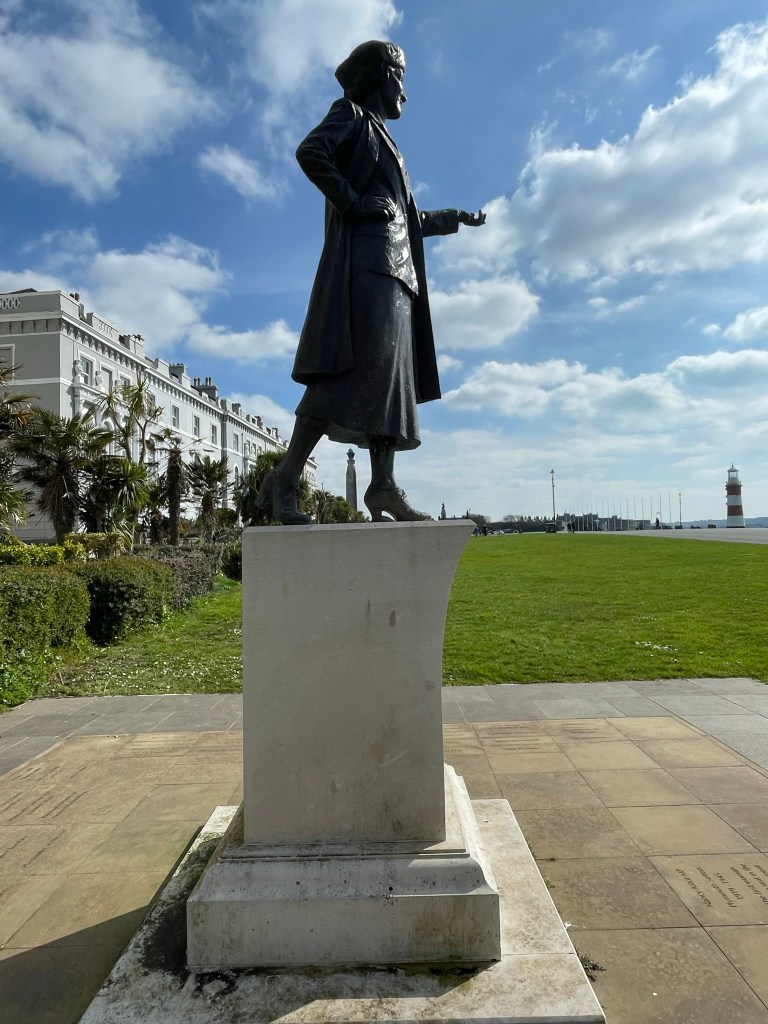
In 1918 some women over the age of 30 got the vote and in that same year a separate law was passed – the Parliament (Qualification of Women) Act – which allowed women to stand as candidates and be elected as MPs. The following year the first woman MP took her seat in the House of Commons. That was Nancy Astor. Although…..
The first woman to actually be elected to the Commons was Constance Markievicz, in the general election of 1918. However, as a member of Sinn Fein, she did not take her seat. This sends me down a rabbit hole of internet information; it’s fascinating, taking in the Easter Uprising and the independence of Ireland. But I’m digressing. Let’s get back to Nancy.
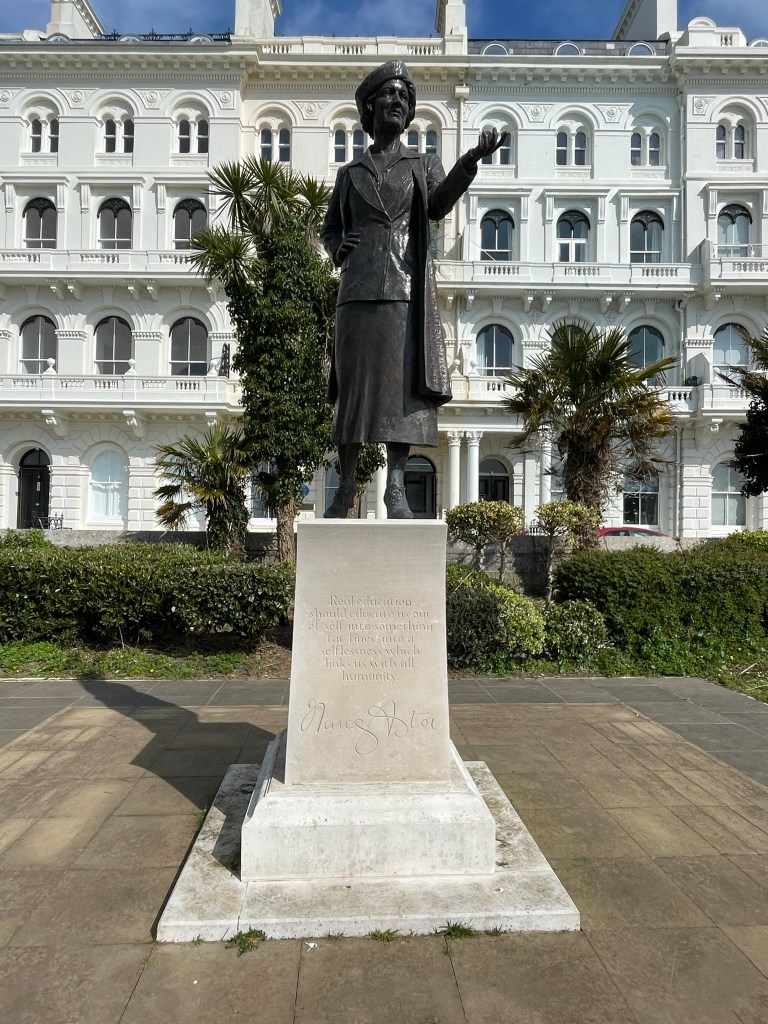
Winning 51% of the Plymouth Sutton by-election vote, Nancy Astor was elected as the Conservative MP after her husband, former MP Waldorf Astor, was elevated to the peerage. One small step for feminism, one giant leap for nepotism?????
Still, she held the seat until she stood down in 1945, holding it for an impressive 25 years. Although she had never been involved in campaigns for women’s suffrage, she was a great supporter of the women’s movement once in Parliament, with Waldorf Astor working to promote the admission of women to the House of Lords during the 1920s. She is described as an advocate for temperance, welfare and education, but Nancy was not without controversy. It is documented that she held anti-Catholic, and anti-semitic views and was a Nazi sympathiser which, it is suggested, led to her being asked to step down towards the end of the war.
On the centenary of her election, this statue was unveiled after a Crowdfunder campaign raised more than £140,000 in just over one year; an extraordinary achievement. Even more gobsmacking was the bipartisan approach, with women MP’s across the political parties showing support. The statue forms part of Plymouth’s Powerful Women trail. Also, note Nancy’s fancy signature on the plinth. Truly sublime.



 WomenstatuesUK