(1833 – 1918)
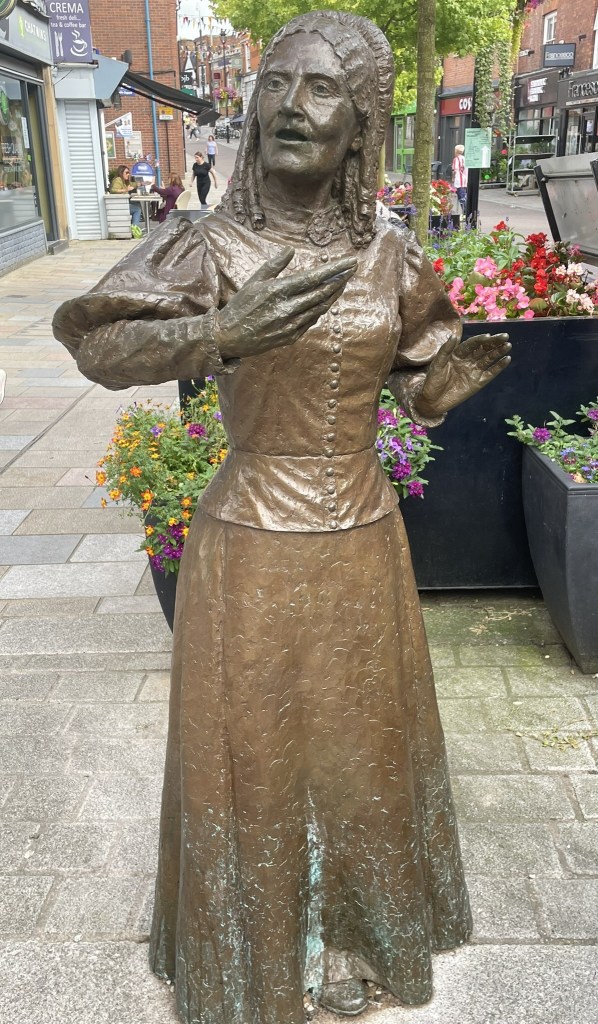
Often overlooked in the history of the suffragette movement (perhaps because her name is so long), Elizabeth was a teacher, writer, poet as well as a suffragette. Born in 1833, she was given just two years of schooling while her brother was afforded a full education, progressing to professor of mathematics at Cambridge University. Elizabeth, however, was academic in her own right and despite a limited formal education she became a governess before opening her own private girls school and running it as headmistress. Elizabeth was committed to improving access and standards of education for women and girls and regularly lobbied on this issue with her work facilitating the foundation of Newnham College. She gave up her school in 1871 and moved to London to work for the women’s movement, becoming the first paid woman lobbying Parliament on laws detrimental to women including child custody, equal rights within marriage and owning property. In 1877, the women’s suffrage campaign was centralised as the National Union of Women’s Suffrage Societies and in 1889, Elizabeth was a founding member of the Women’s Franchise League. From there she moved on to found the Women’s Emancipation Union in 1891.
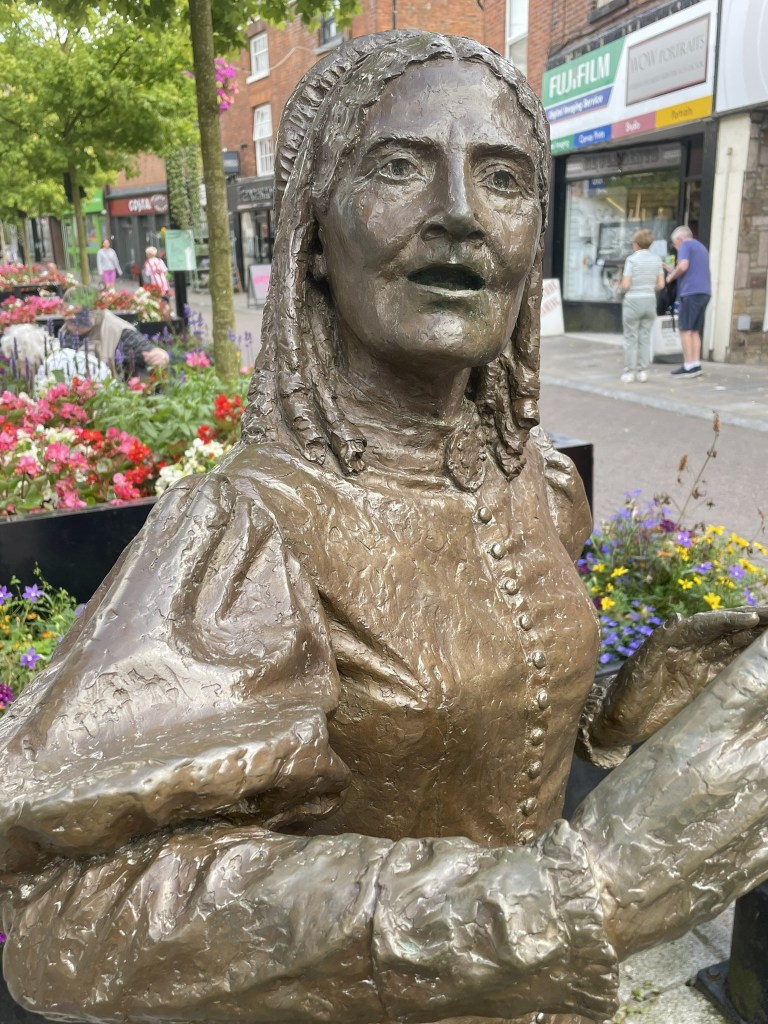
In 1903, Elizabeth was invited onto the executive committee of Emmeline Pankhurst’s WSPU (Women’s Social and Political Union), finding a fresh movement for emancipation. She was at the time supportive of militant action and took part in the WSPU Hyde Park rally in 1908 at the age of 75, leading the ‘North country’ procession but 1912, her stance on the WSPU’s militant action had changed and she reverted to more constitutional methods.
Elizabeth died on 12 March 1918 in Manchester, six days after the Representation of the People Act received the royal assent granting the vote to some women.
 WomenstatuesUK