(1791-1840)
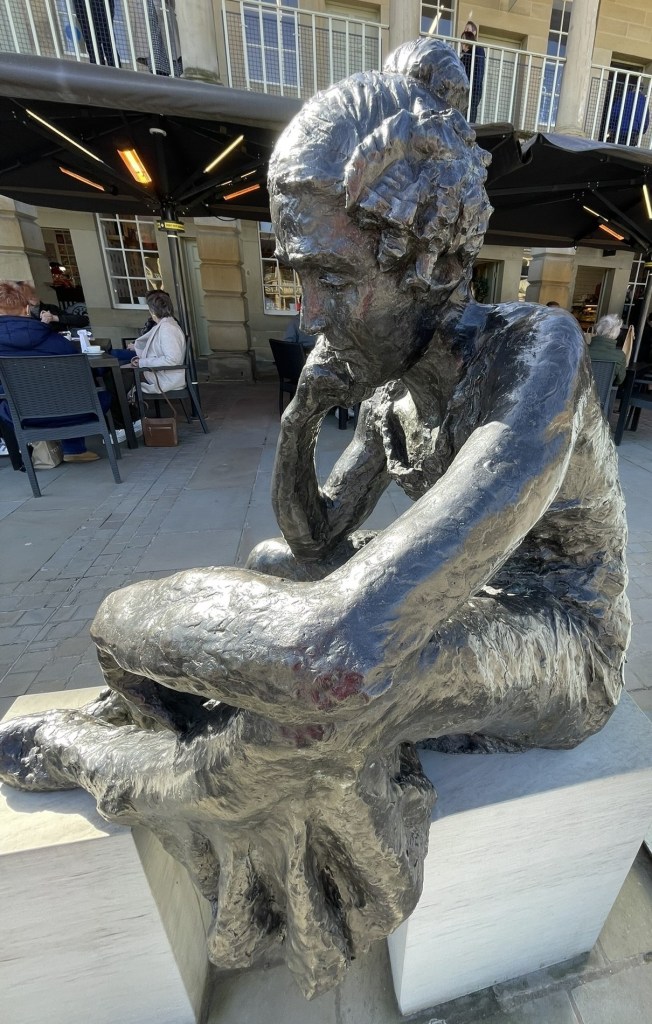
Often dubbed the first ‘modern lesbian’, Anne was born into a wealthy landowning family and grew up in East Yorkshire, moving to Shibden Hall in Halifax in 1815 with her Aunt and Uncle.
Also known under the pseudonym, ‘Gentleman Jack’, she was often dressed in ‘male’ attire, defying gender norms throughout her life. Anne and her partner Ann Walker considered themselves married with their bond recognised by many as the first same sex marriage.
A prolific diarist and travel writer, upon her death in 1840 she left 26 volumes of diaries and 14 volumes of travel notes, some of which written in code. The coded sections (what Anne called her crypt-hand) used a letter replacement code in which individual letters were replaced by symbols. In this way Anne could keep some of her writing secret, including her relationships with other women.
Upon her Uncle’s death in 1836 she inherited the Shibden Hall estate. She supervised building work, dealt with the business of farming and developed coal mining on her land, during the development of the Thames Tunnel she wrote about her ideas on using similar methods of excavation for her own mining business.
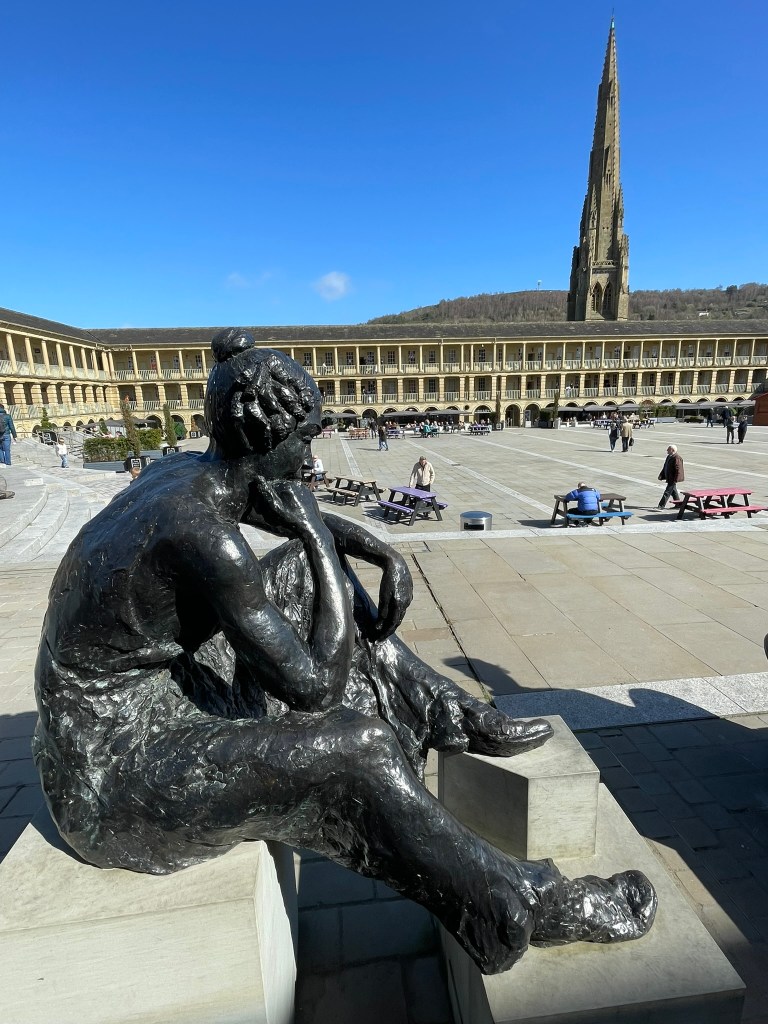
As her travel notes show, Anne travelled extensively, until in 1839 she caught a fatal fever, believed to be from an insect bite, and died in Georgia.
If 26 volumes of coded diaries aren’t for you, her story is depicted in the TV BBC drama, Gentlemen Jack which ran for 3 years from 2019.
She was laid to rest at the Halifax Minster and an Anne Lister Festival is held each year in the town around her birthday in early April.
 WomenstatuesUK